Restless Ground
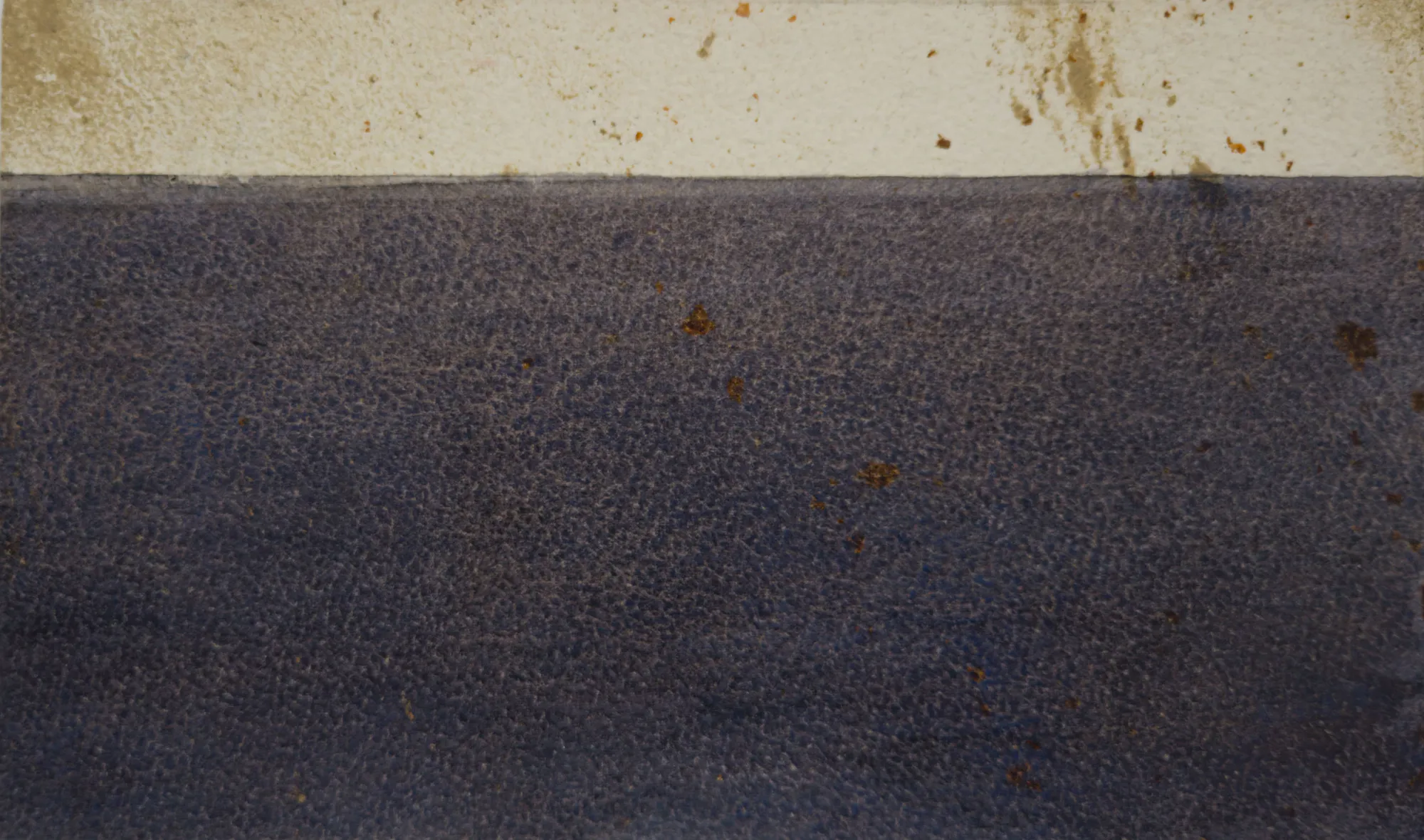
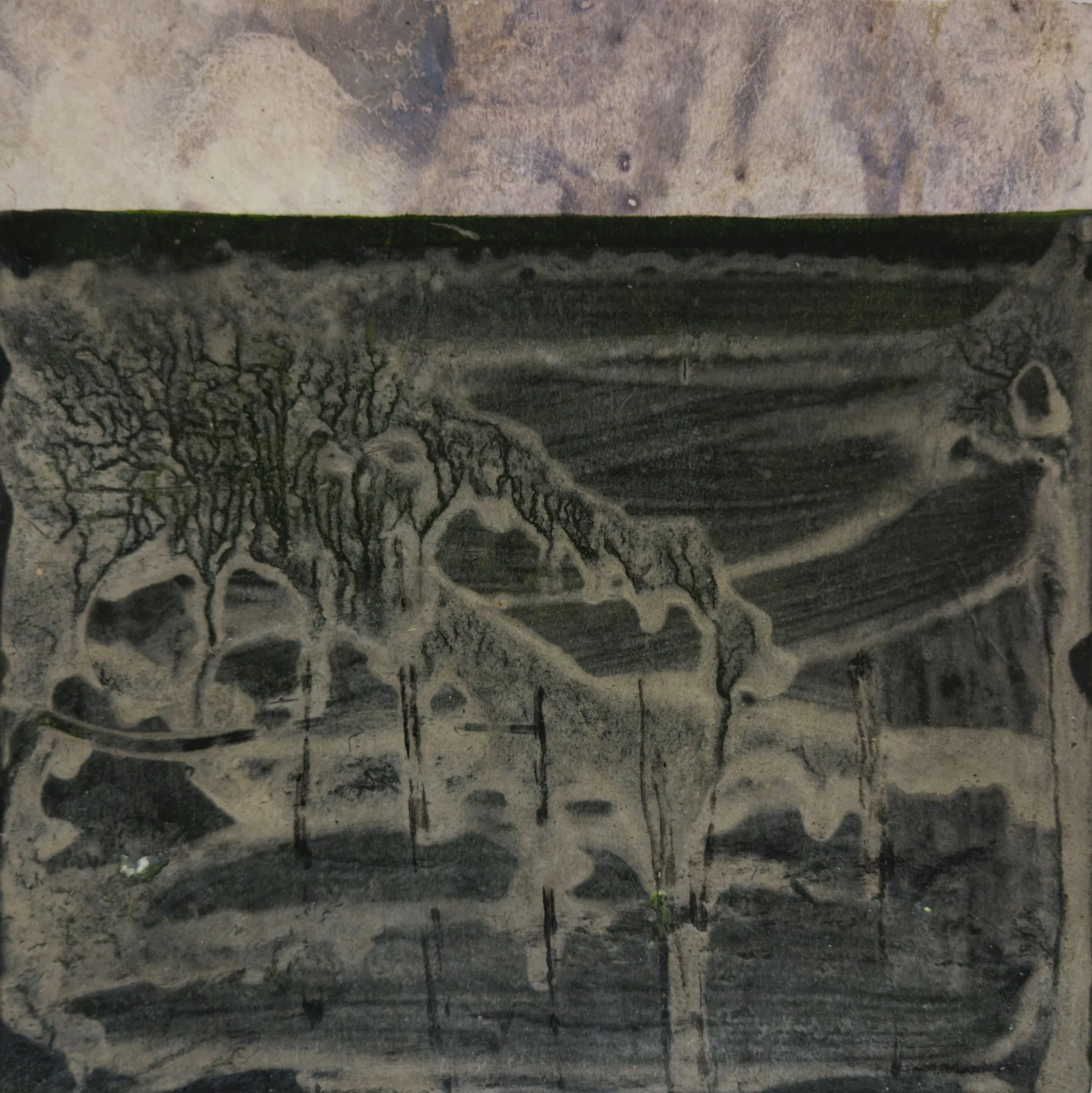
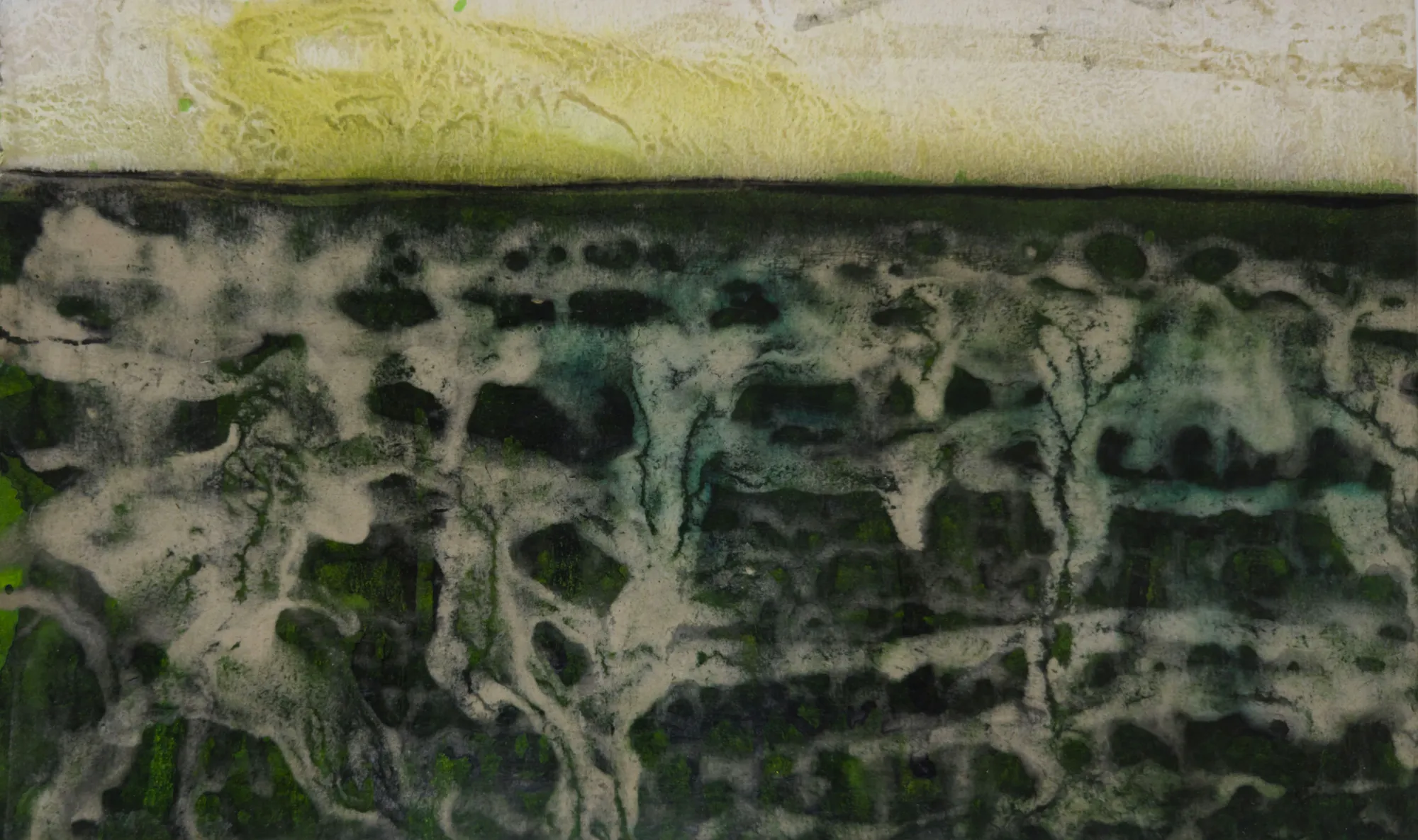
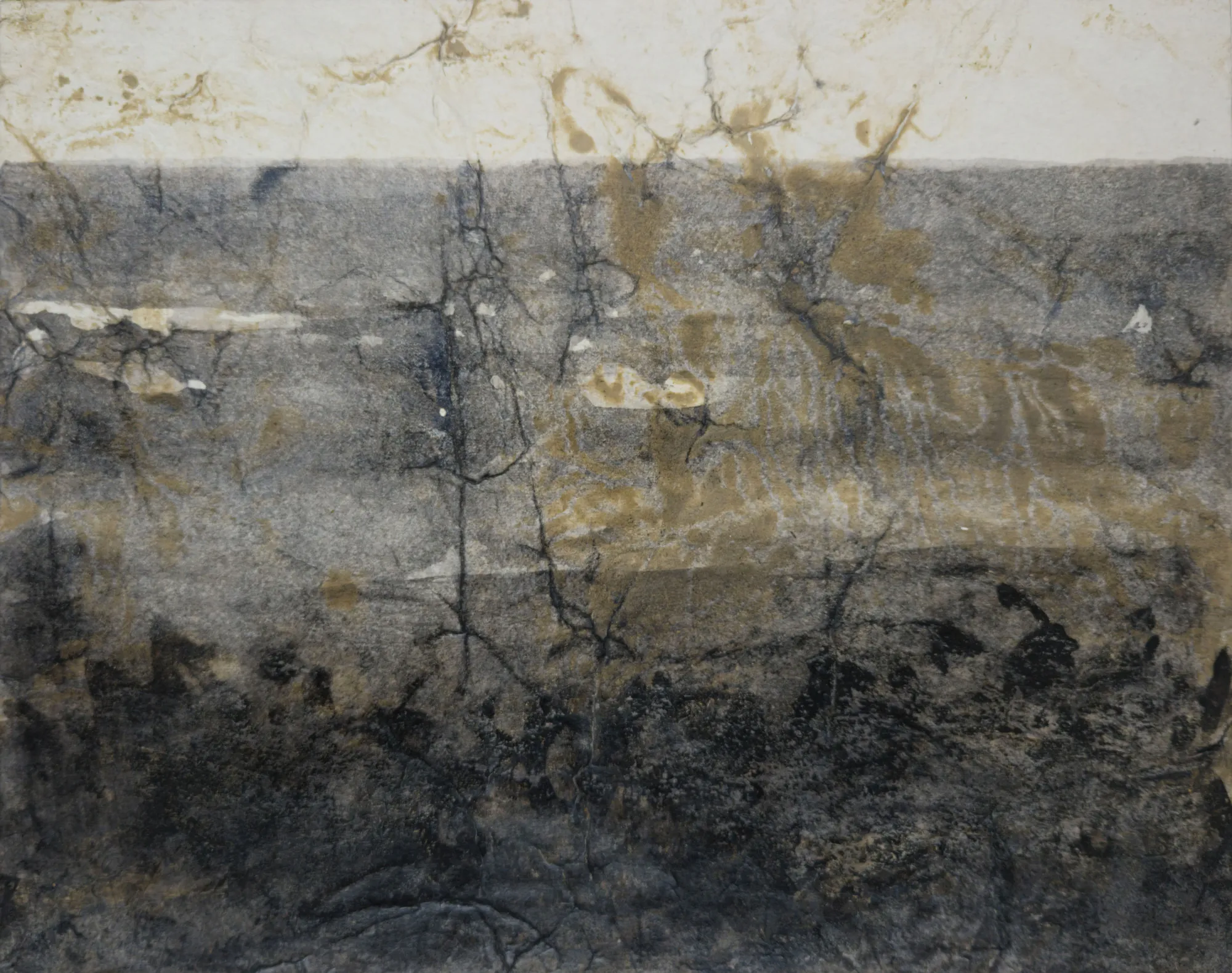
Click to enlarge
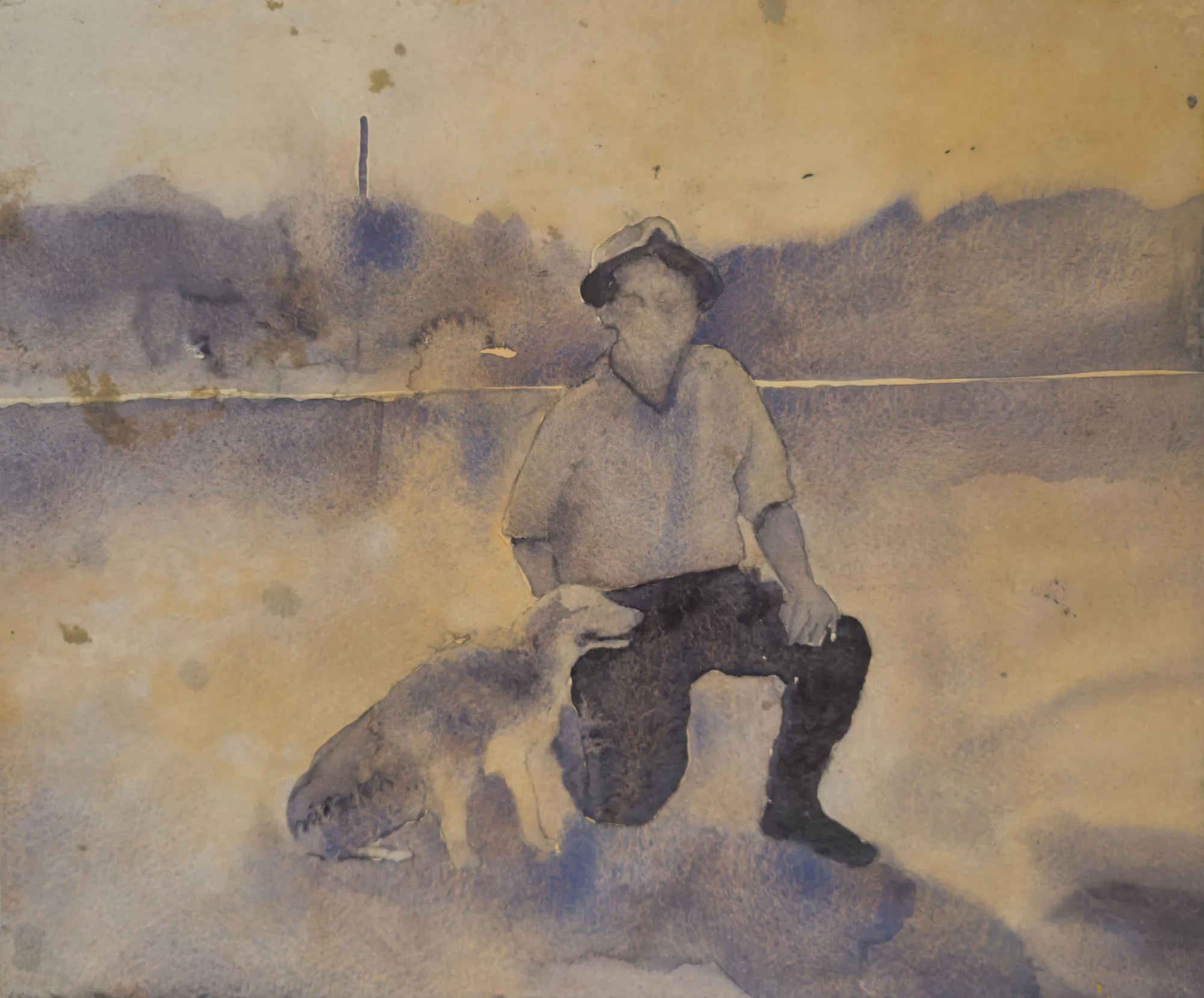
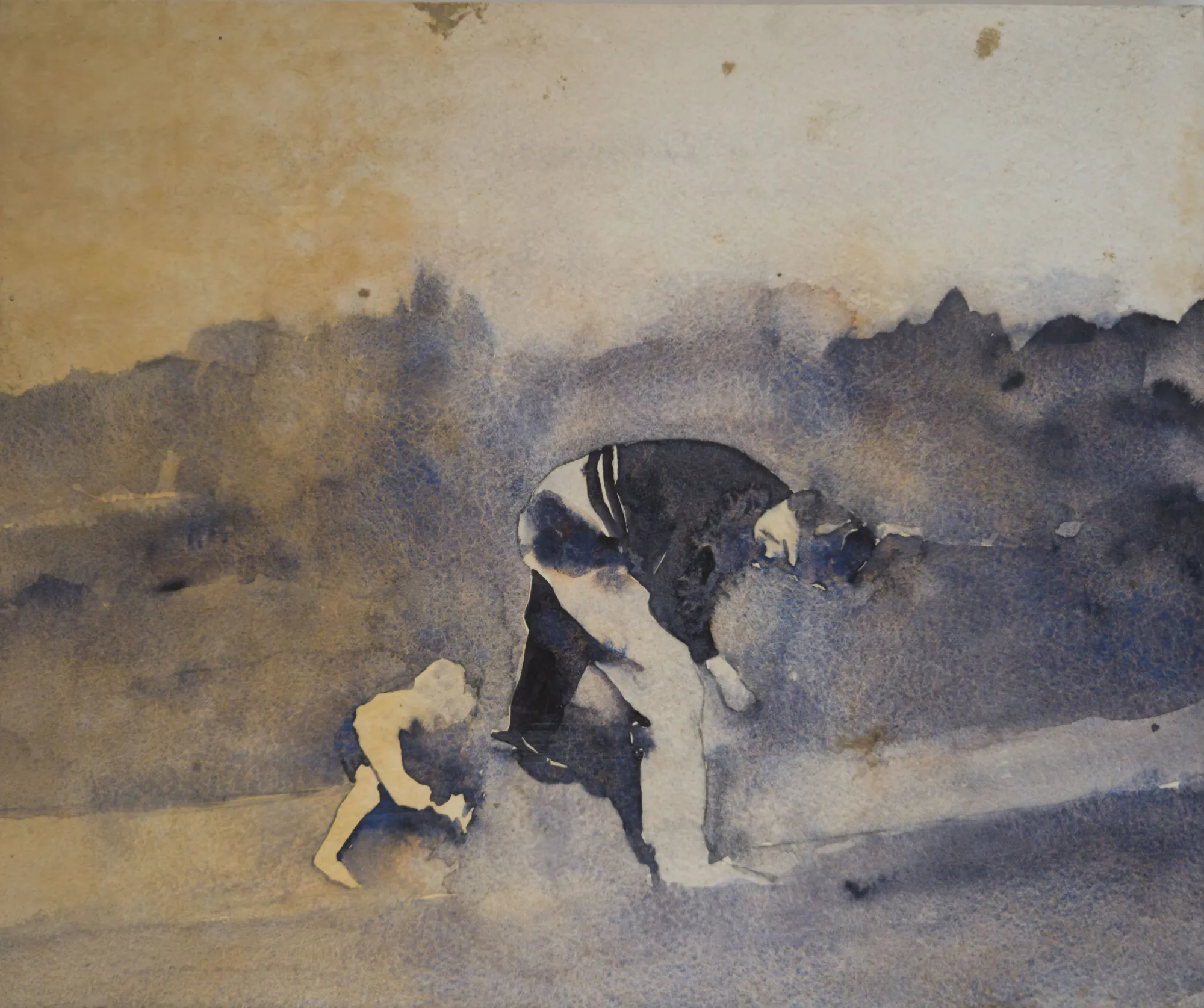
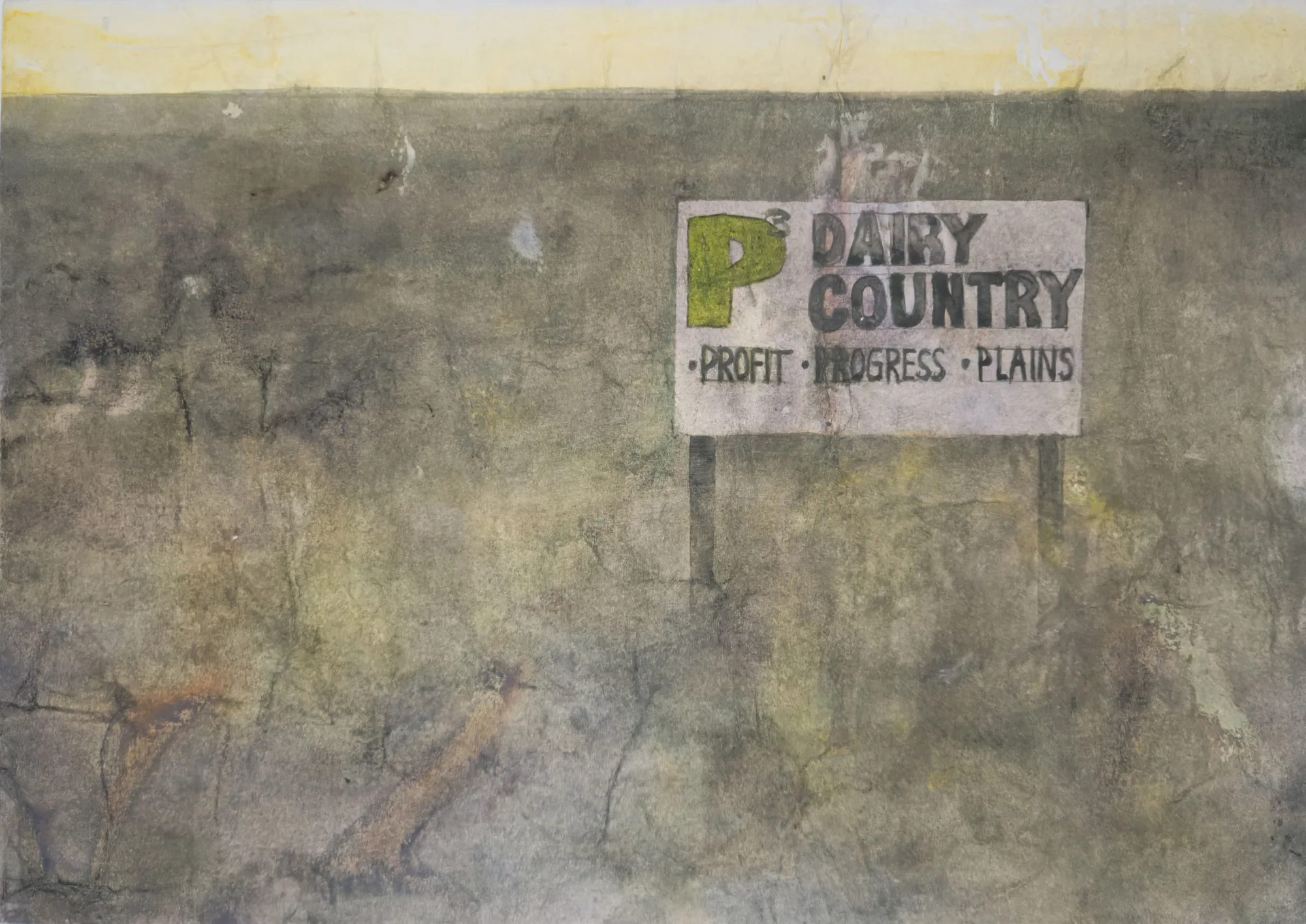
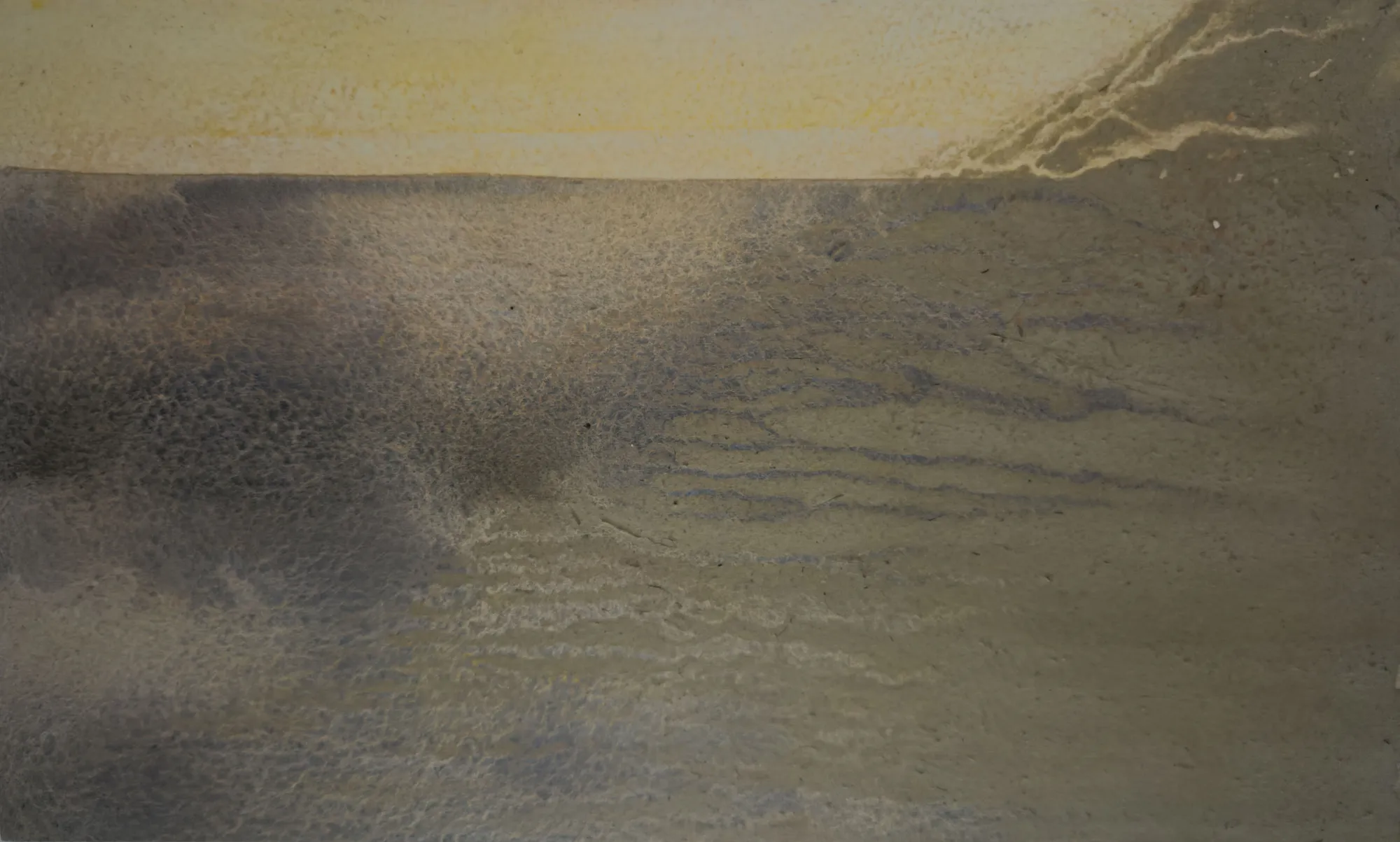
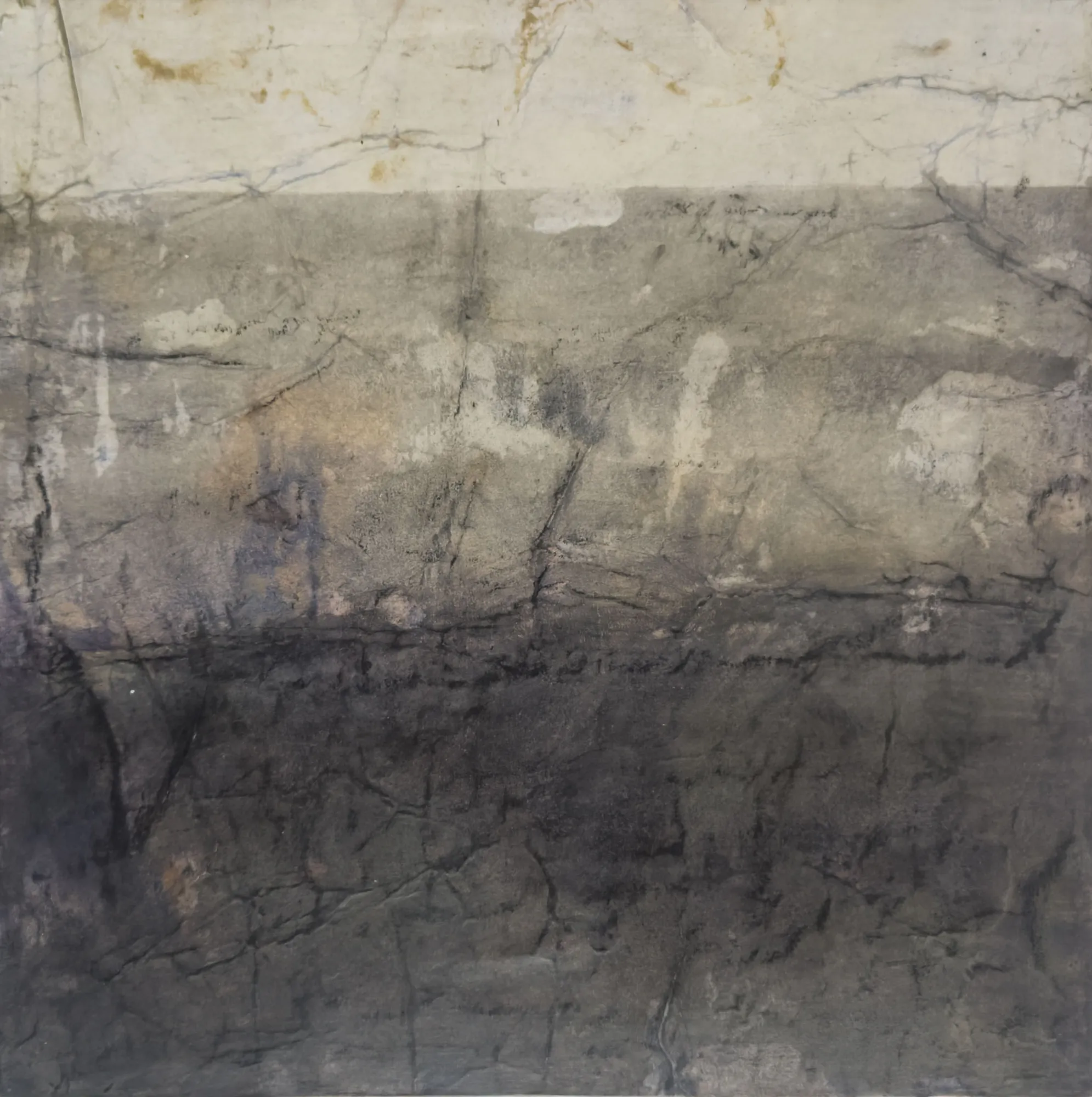
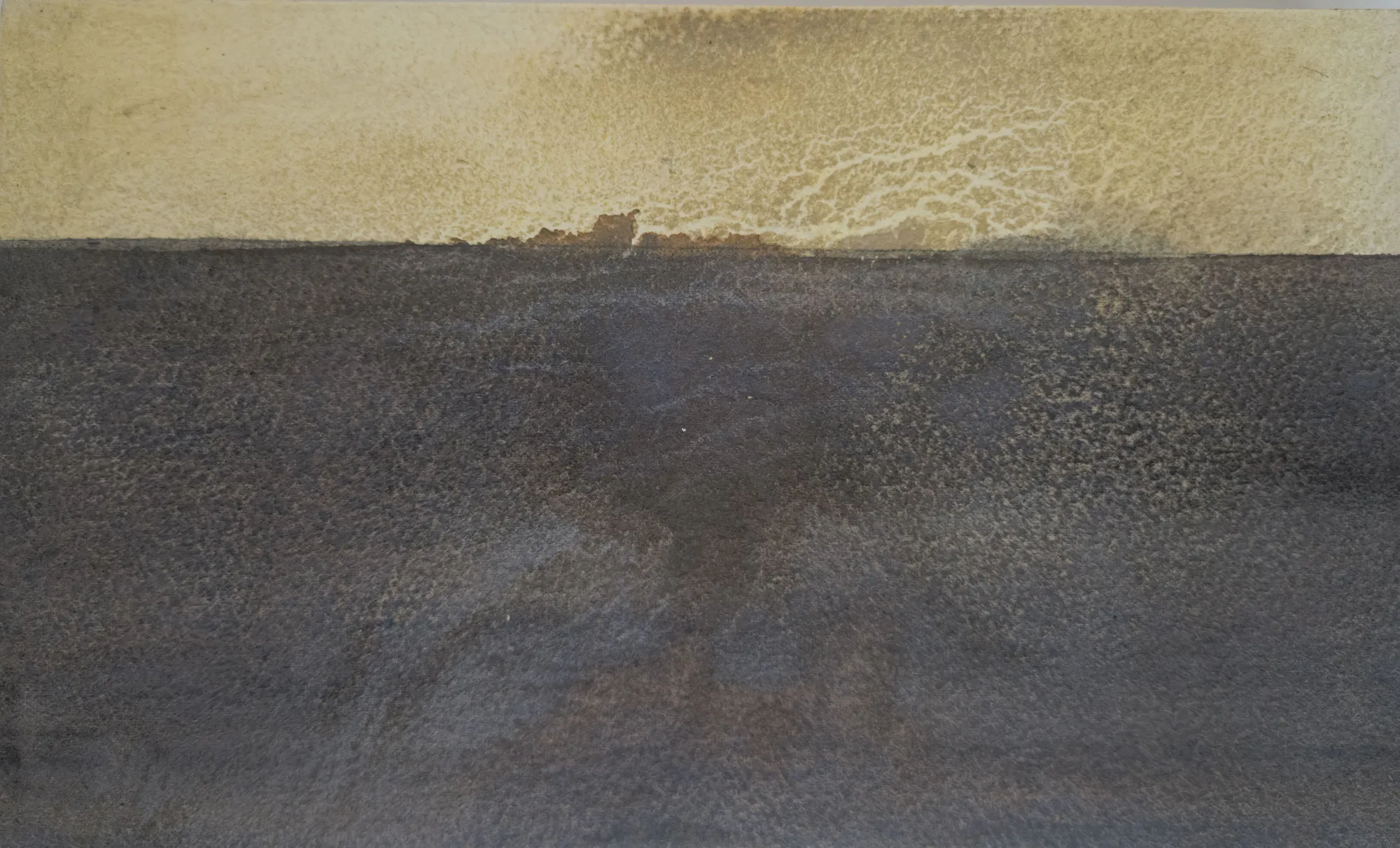
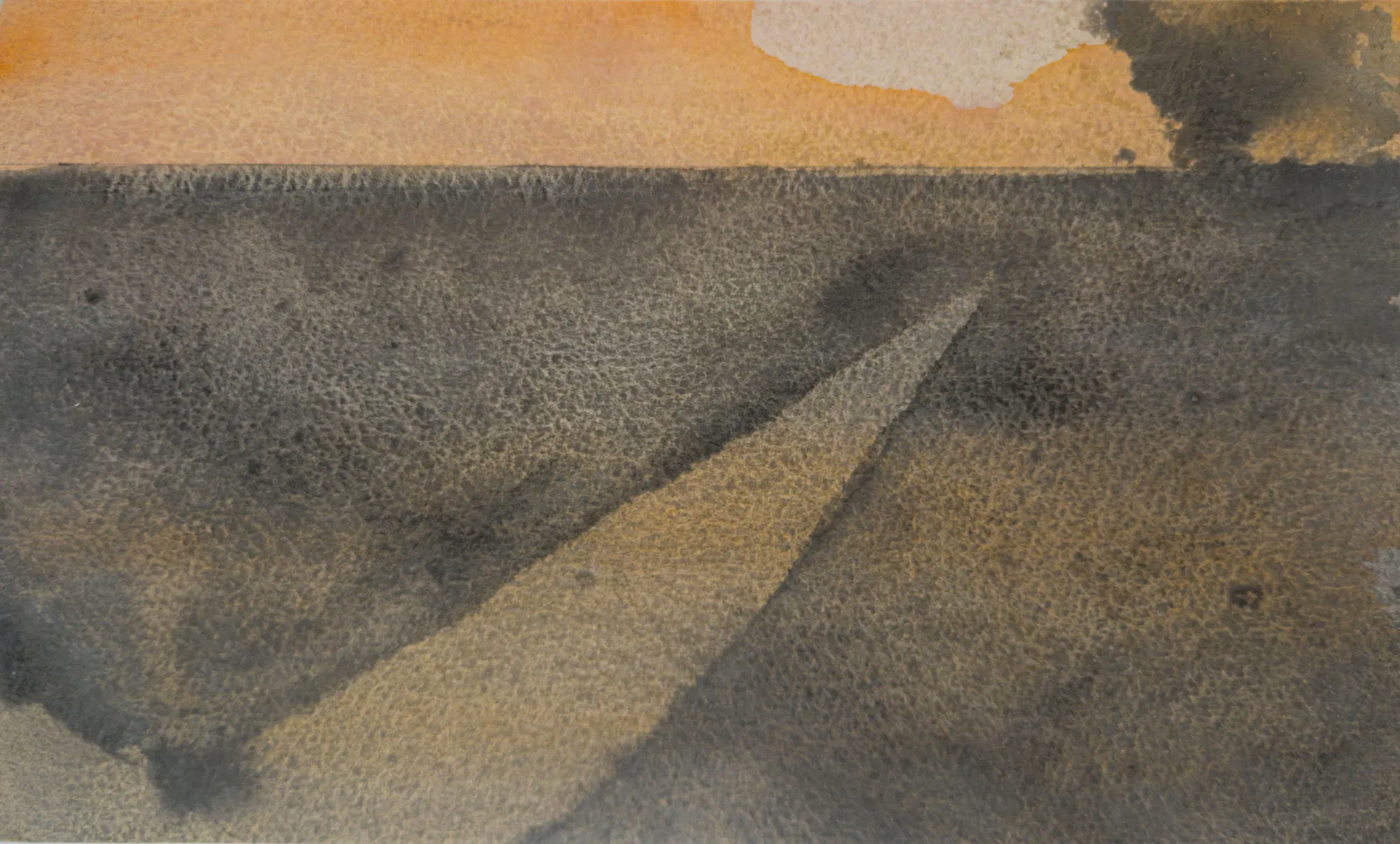
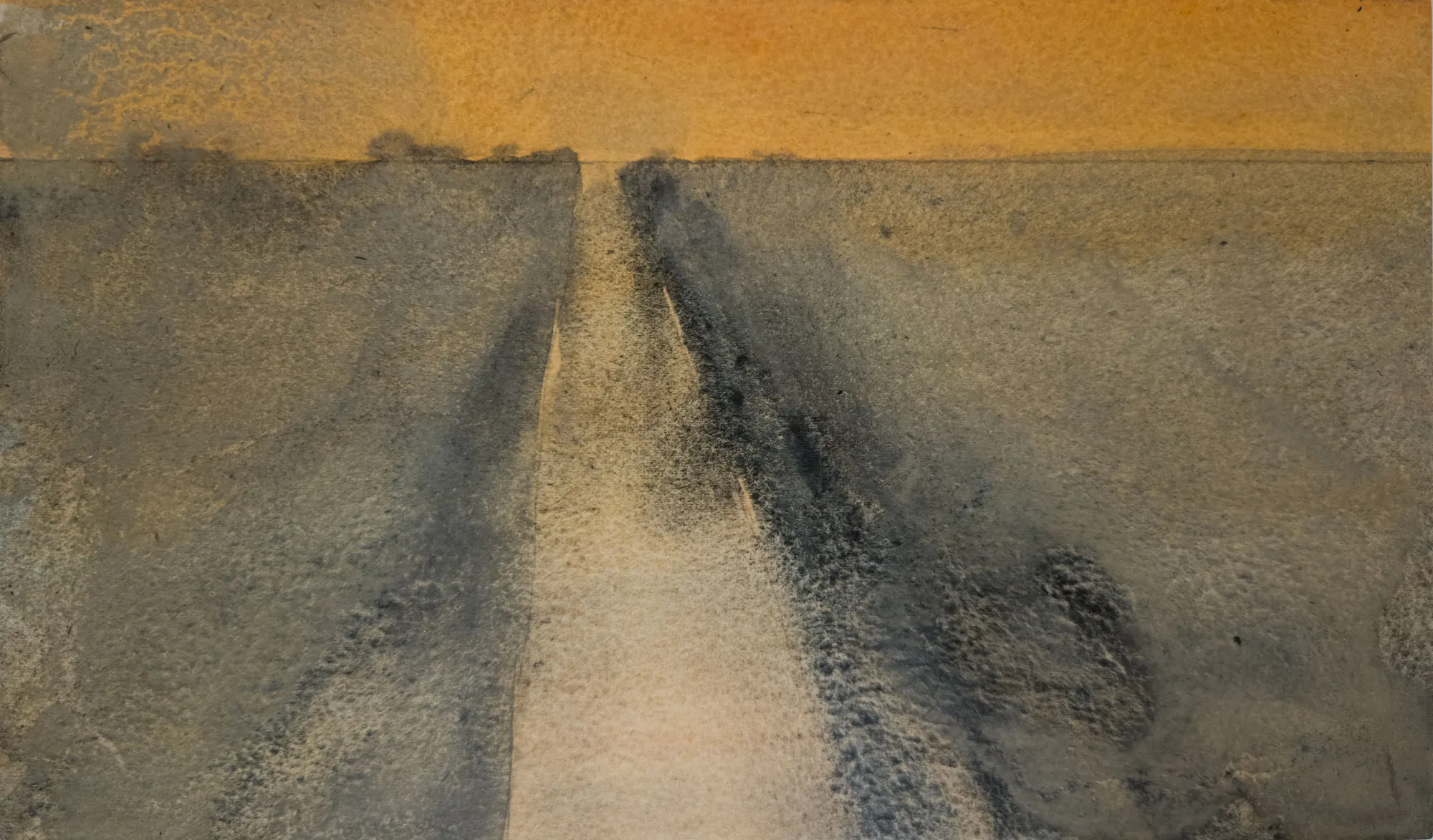
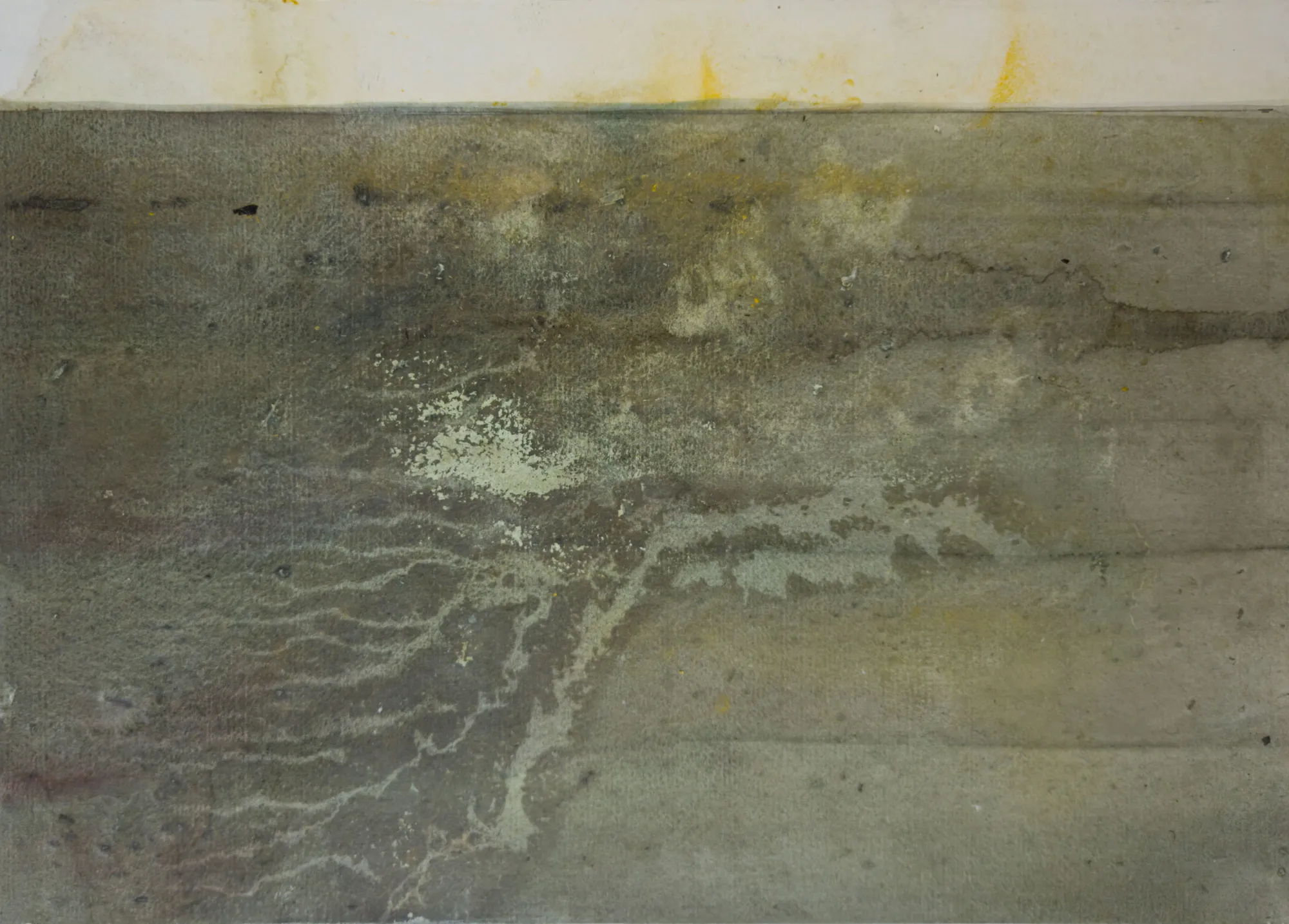
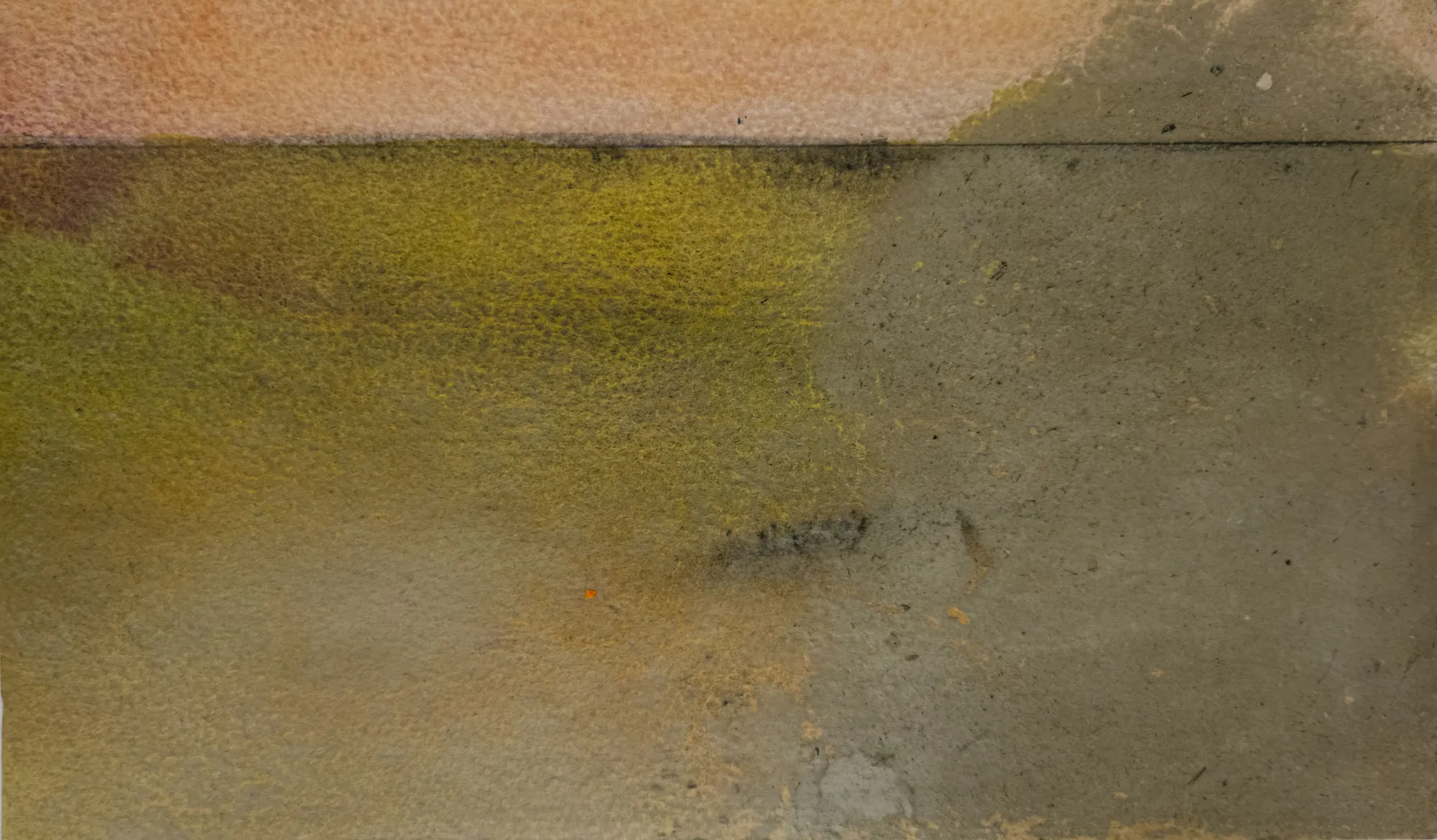
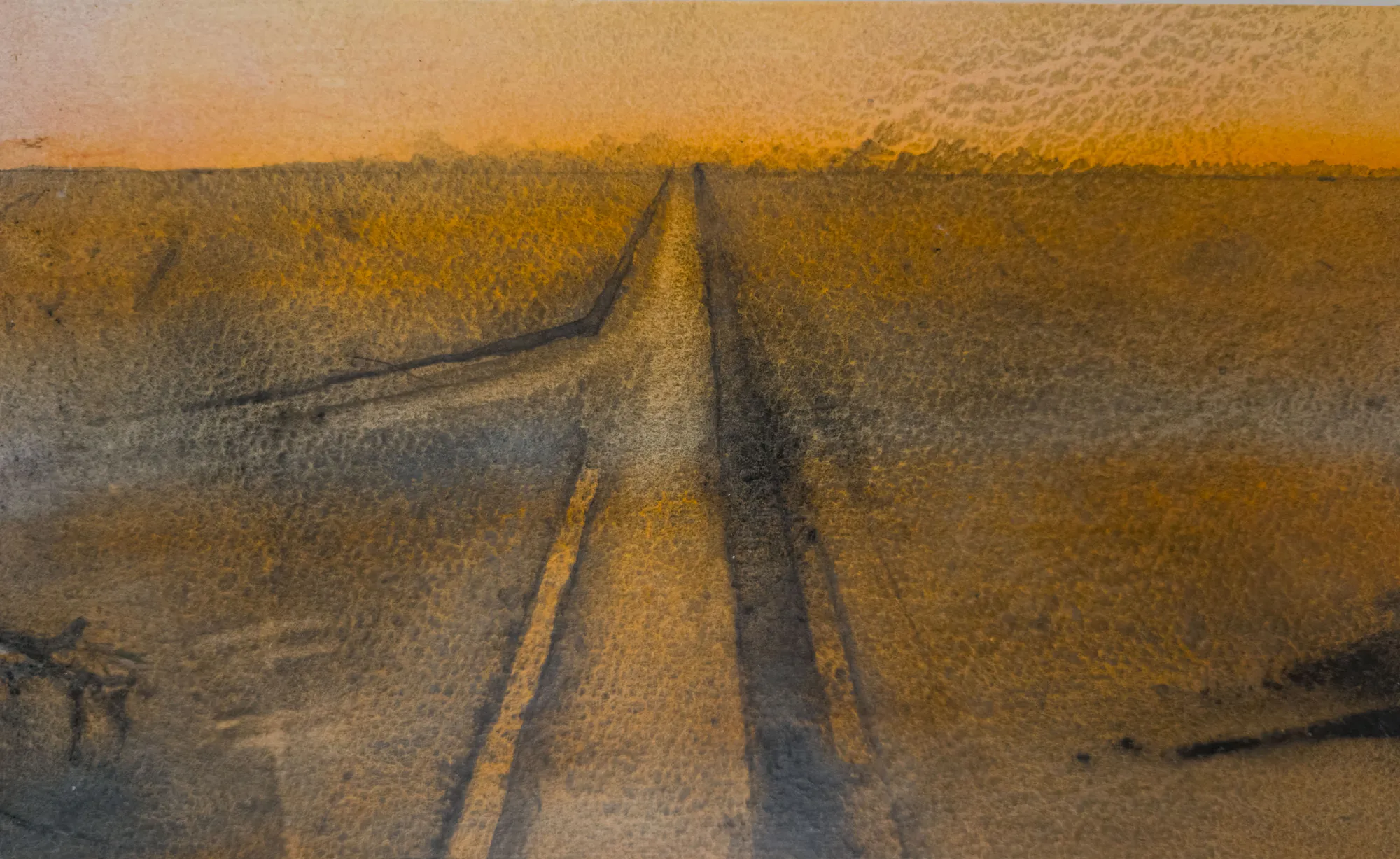
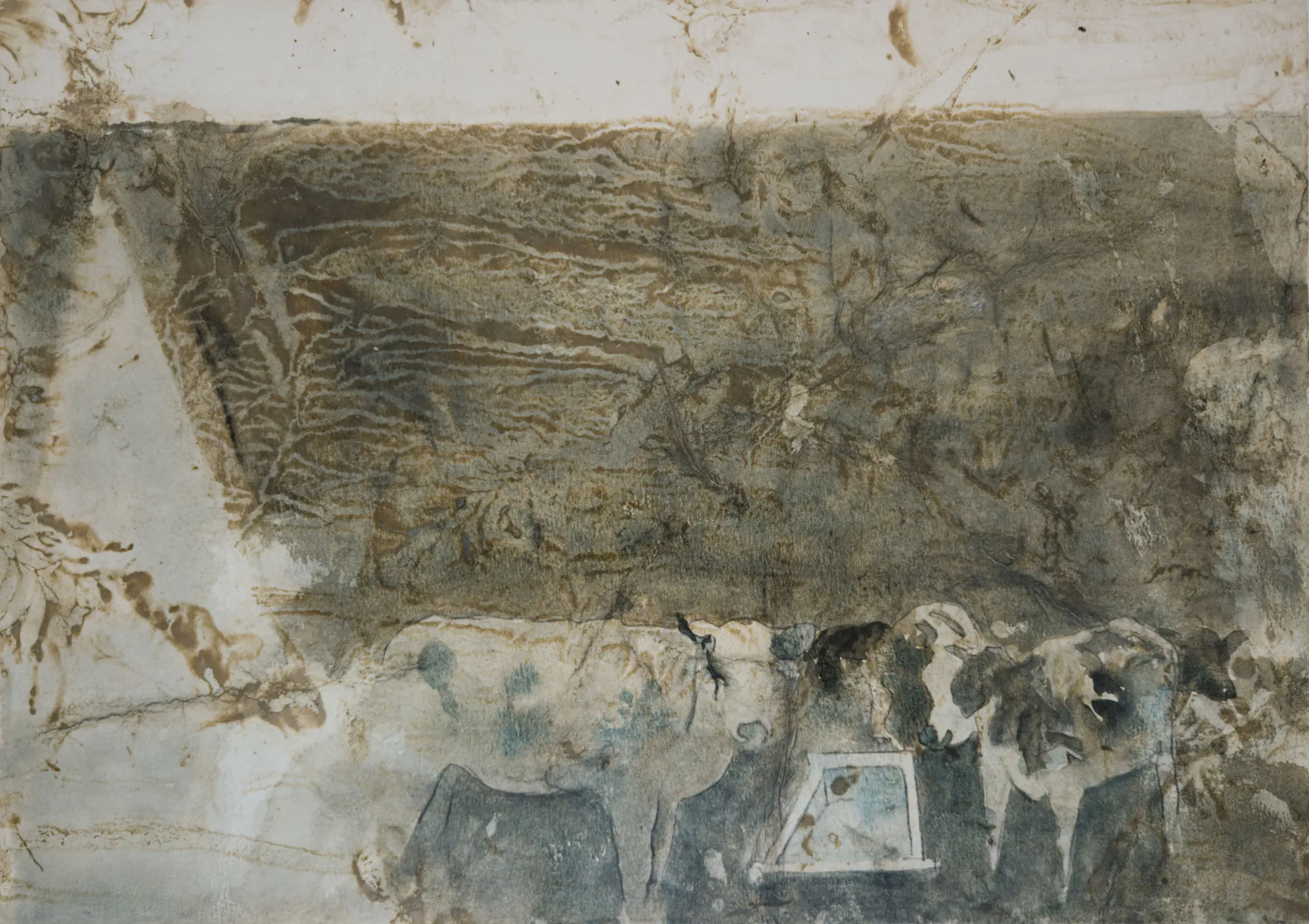
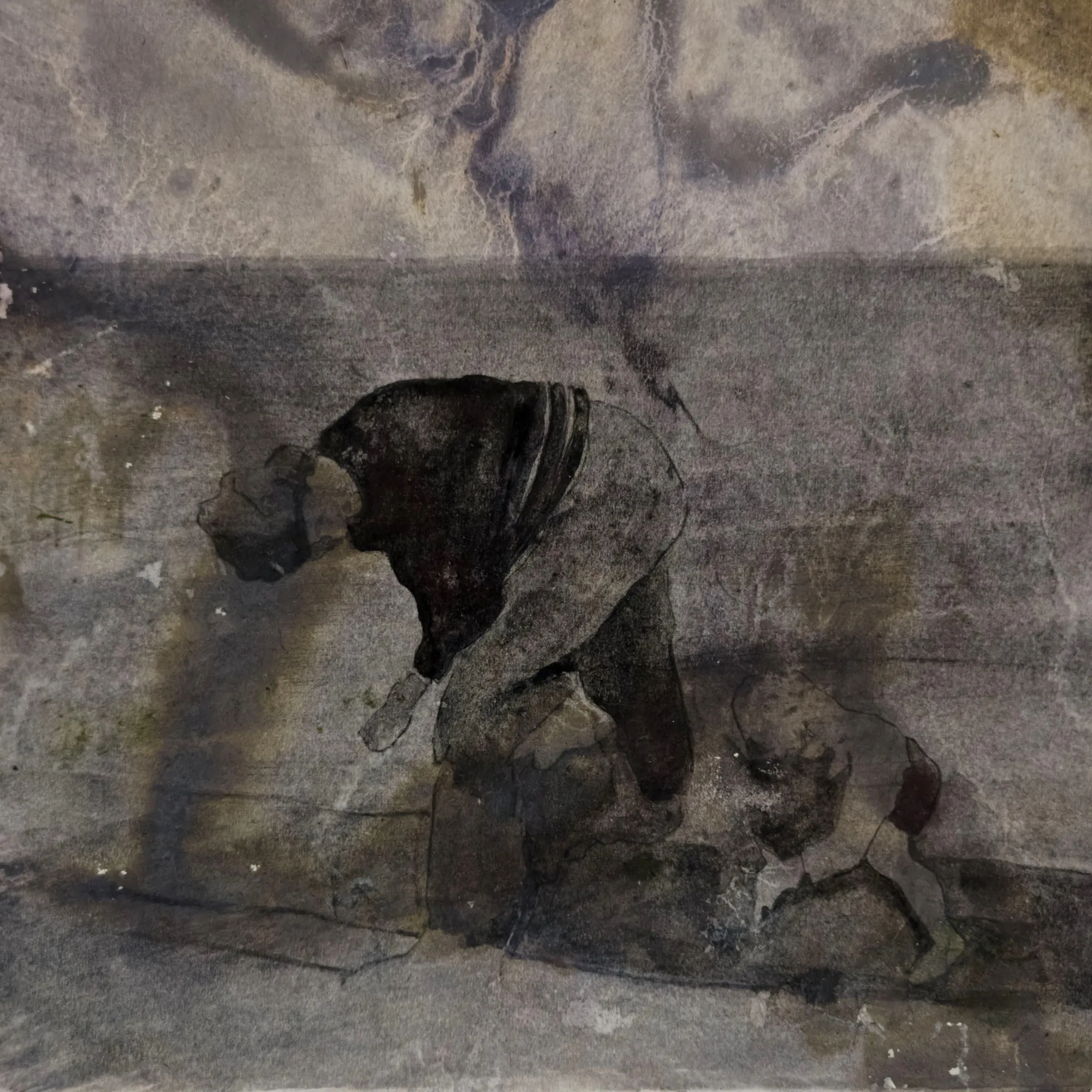
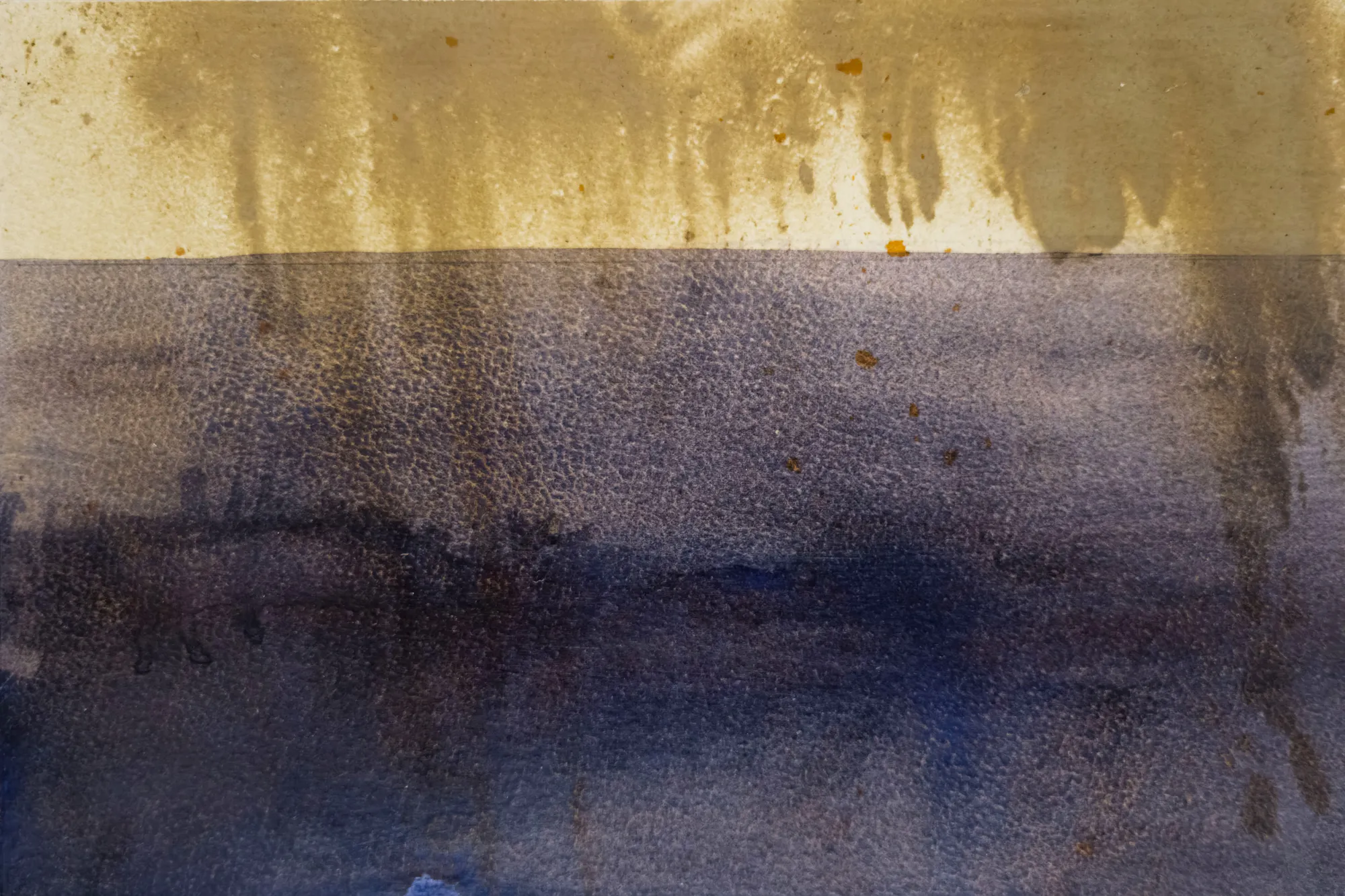
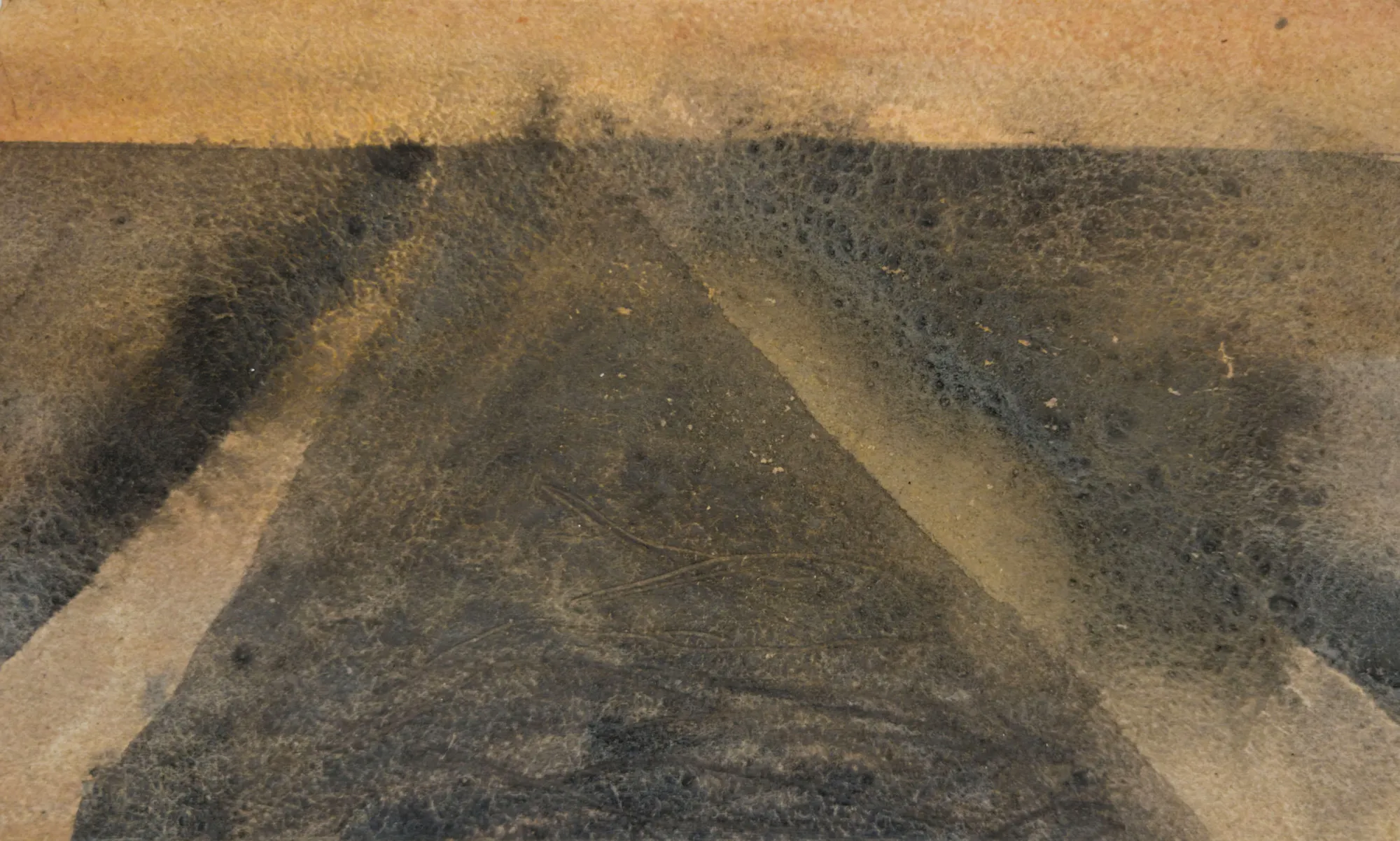
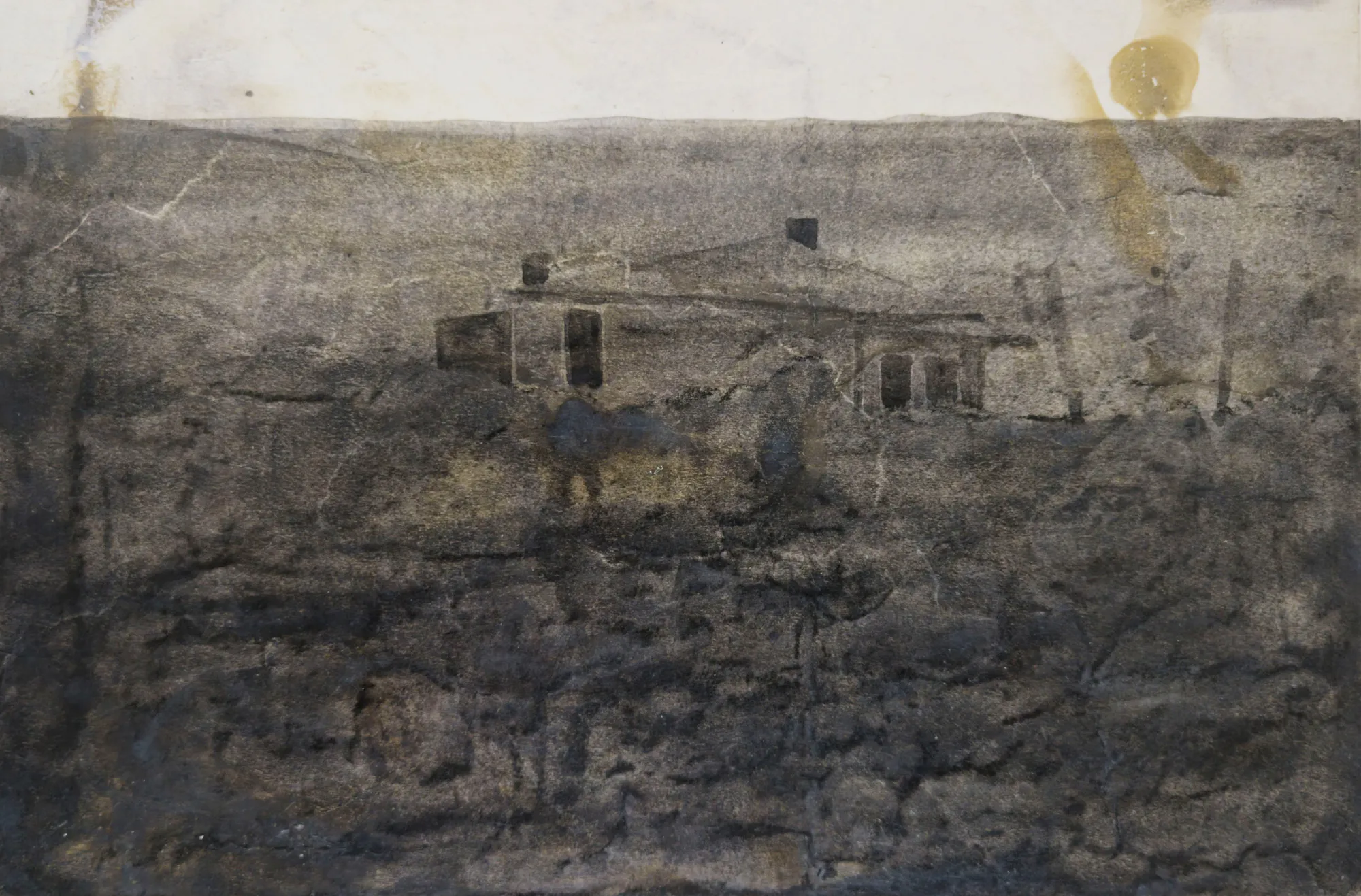
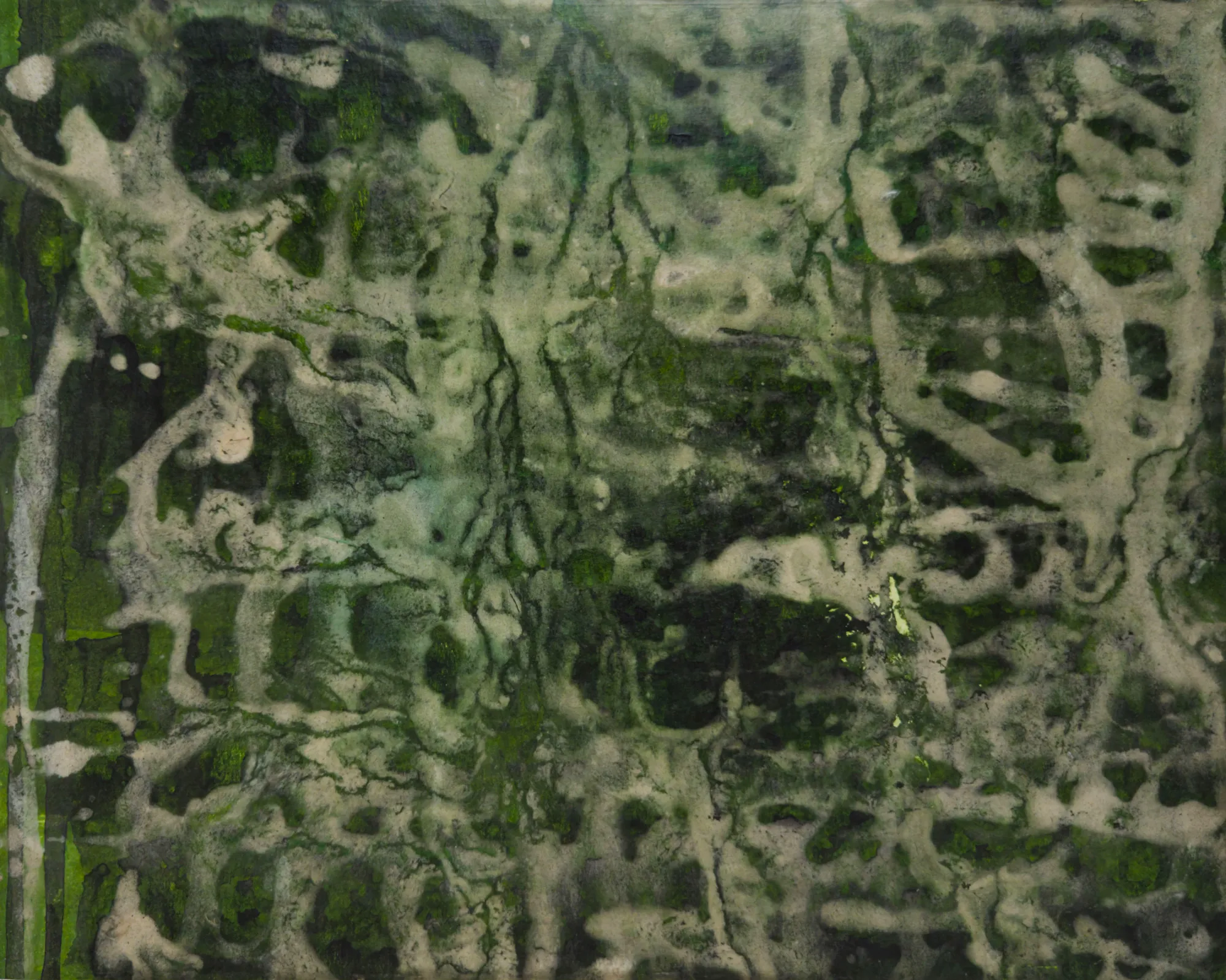
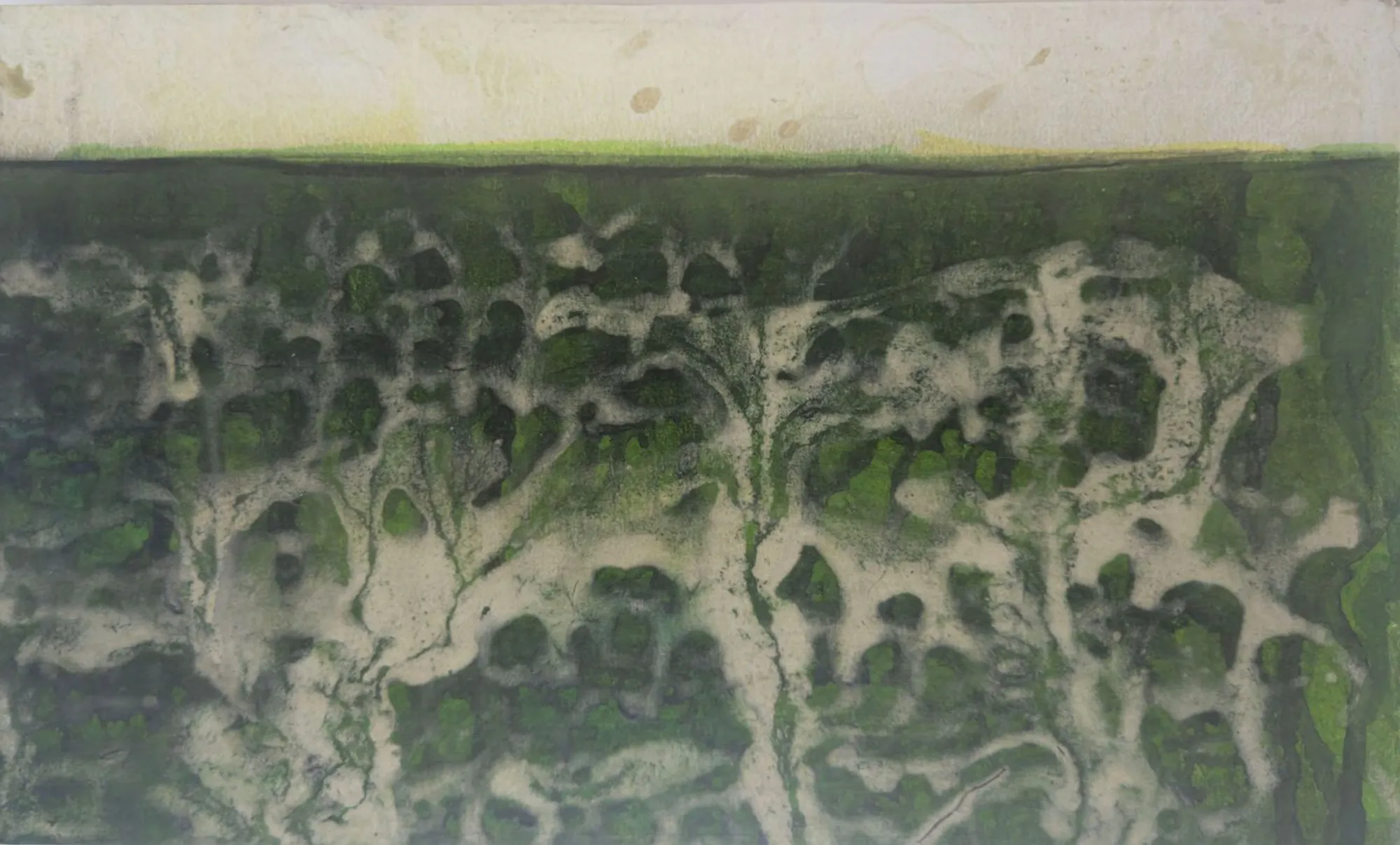
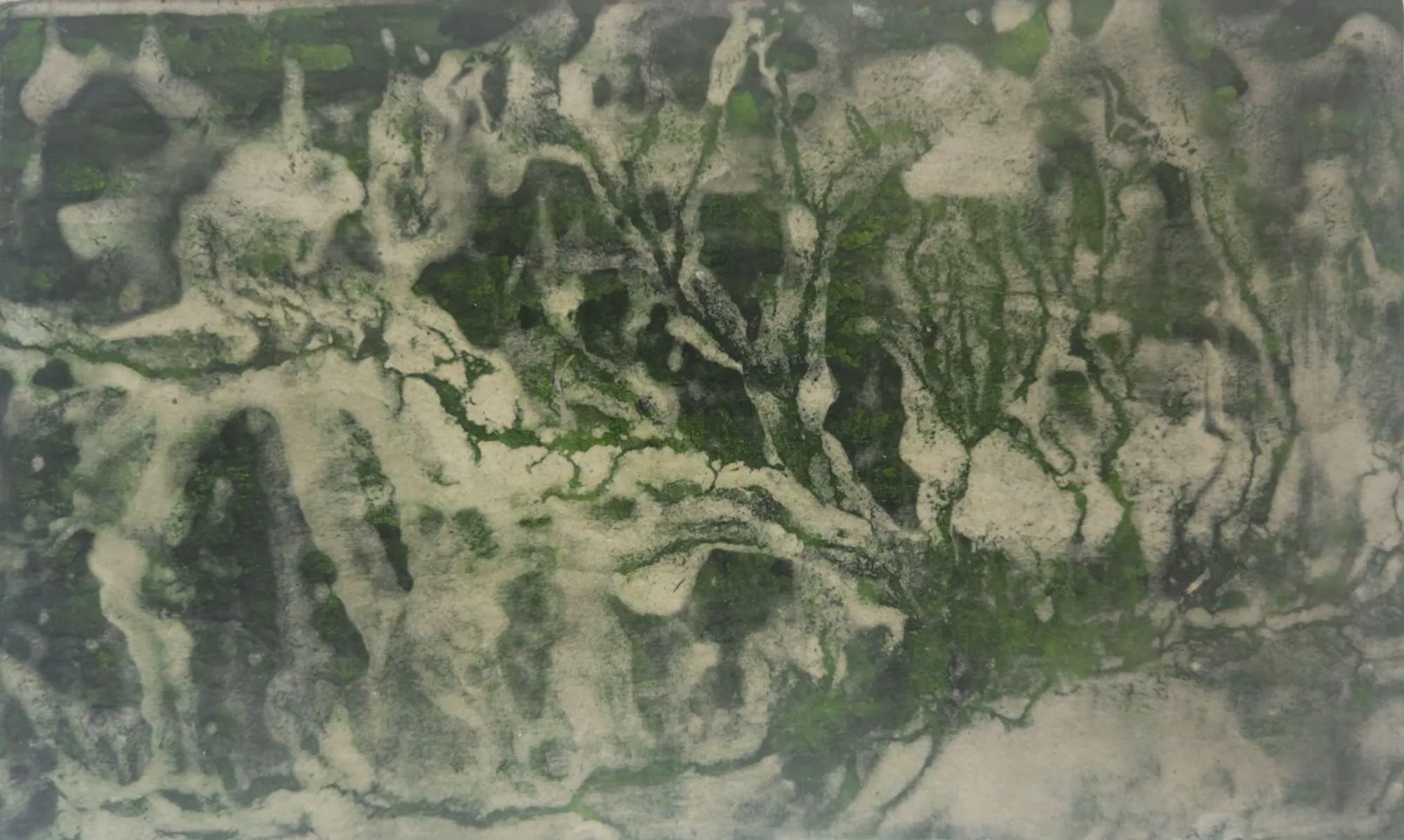
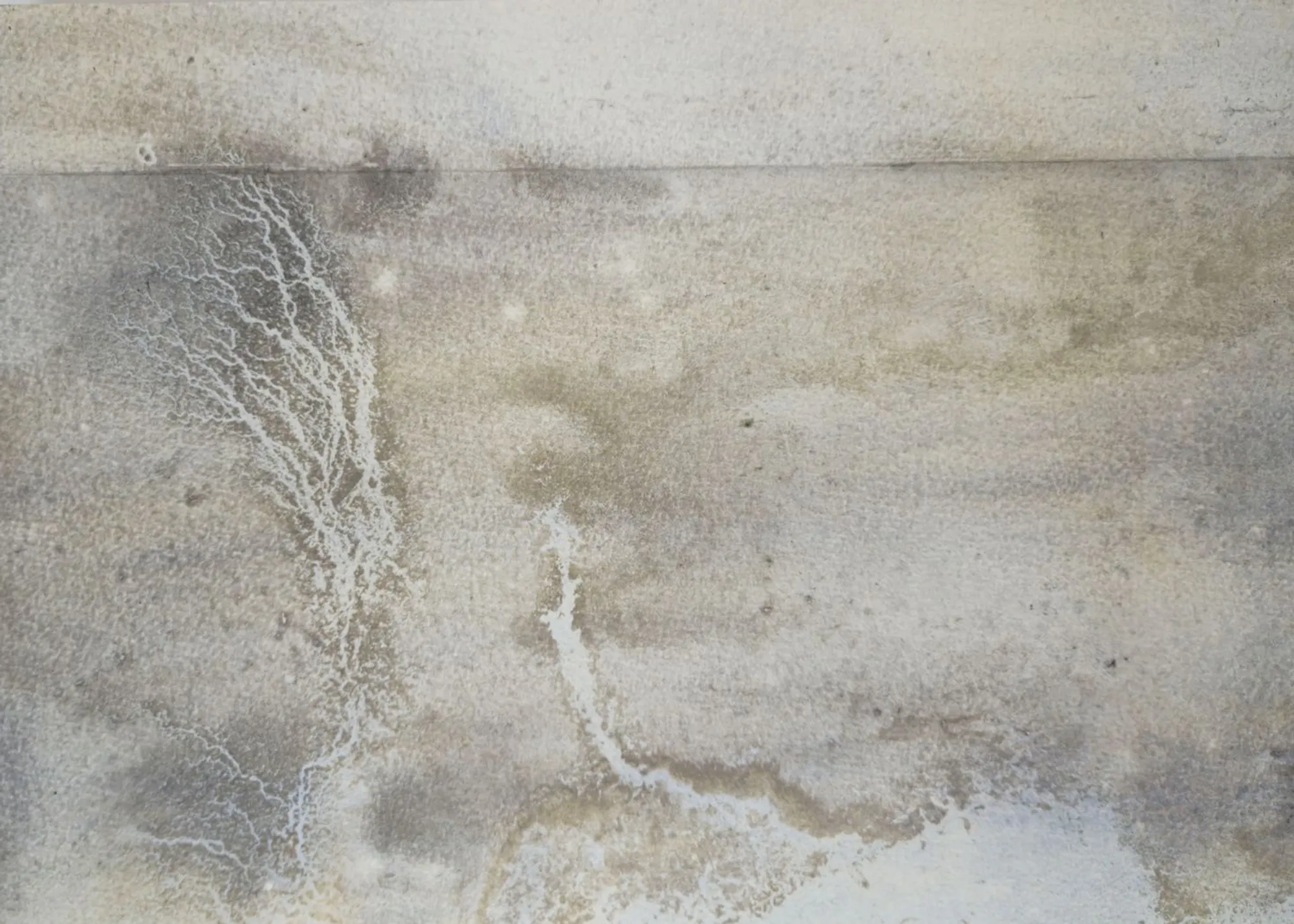
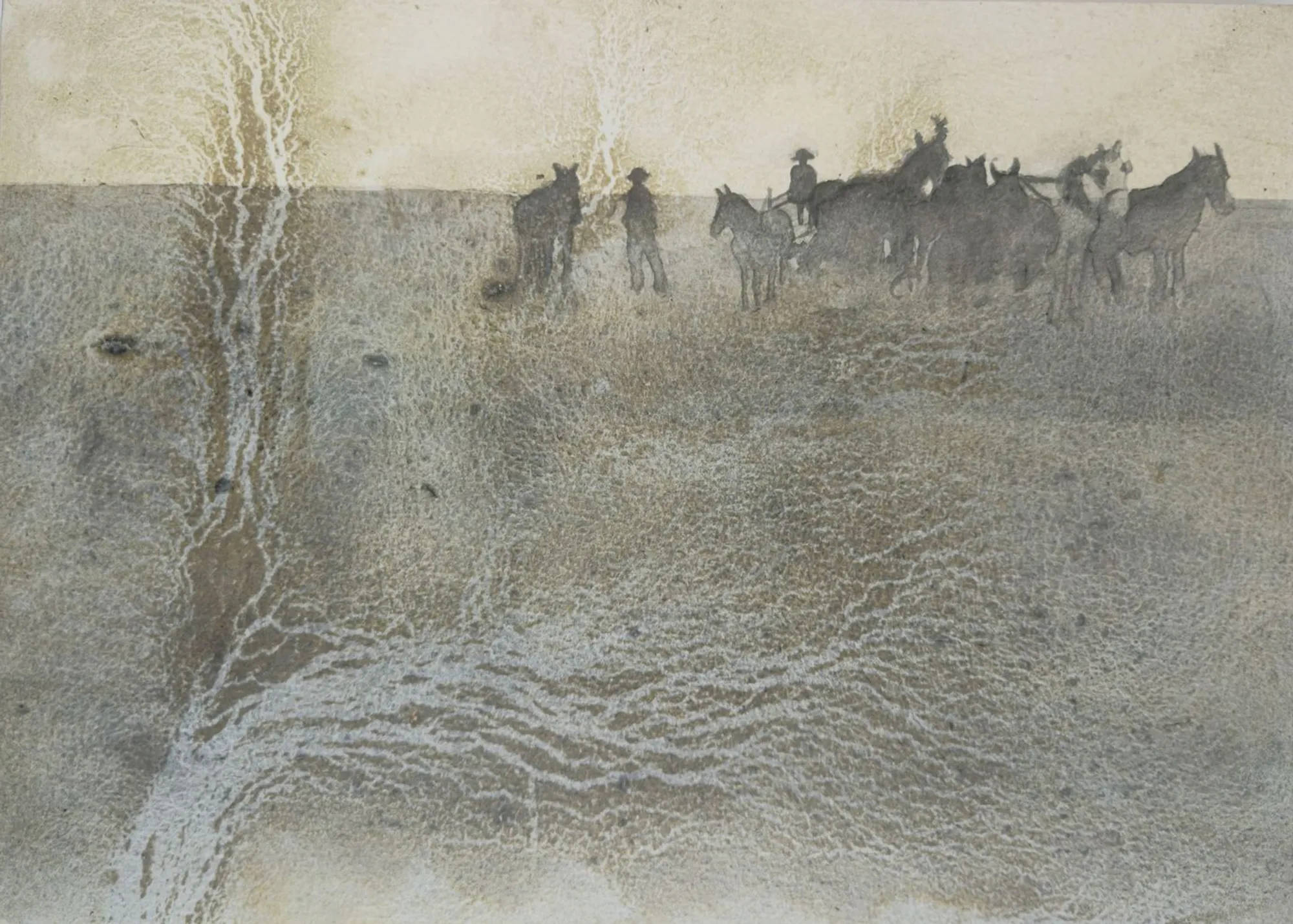
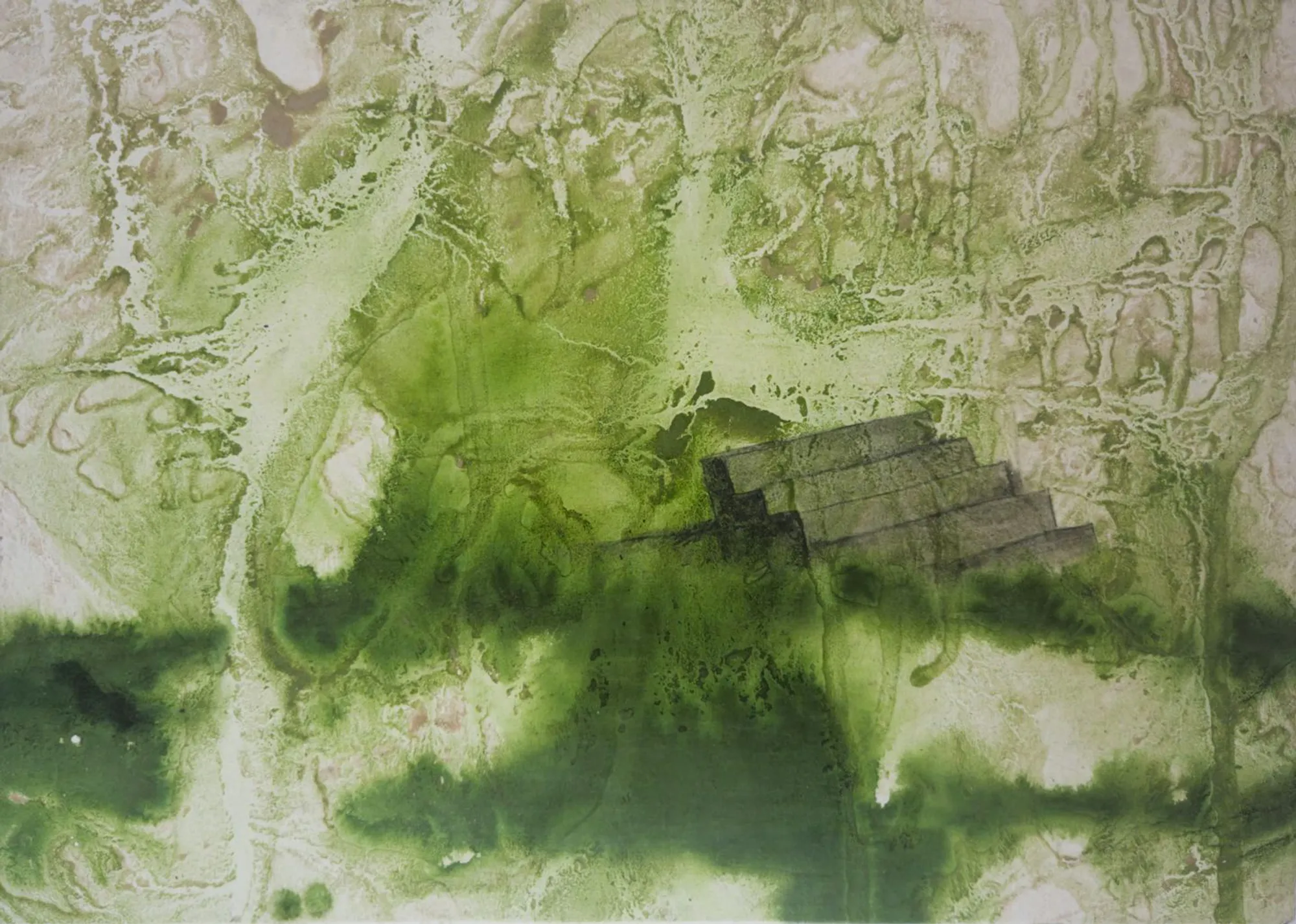
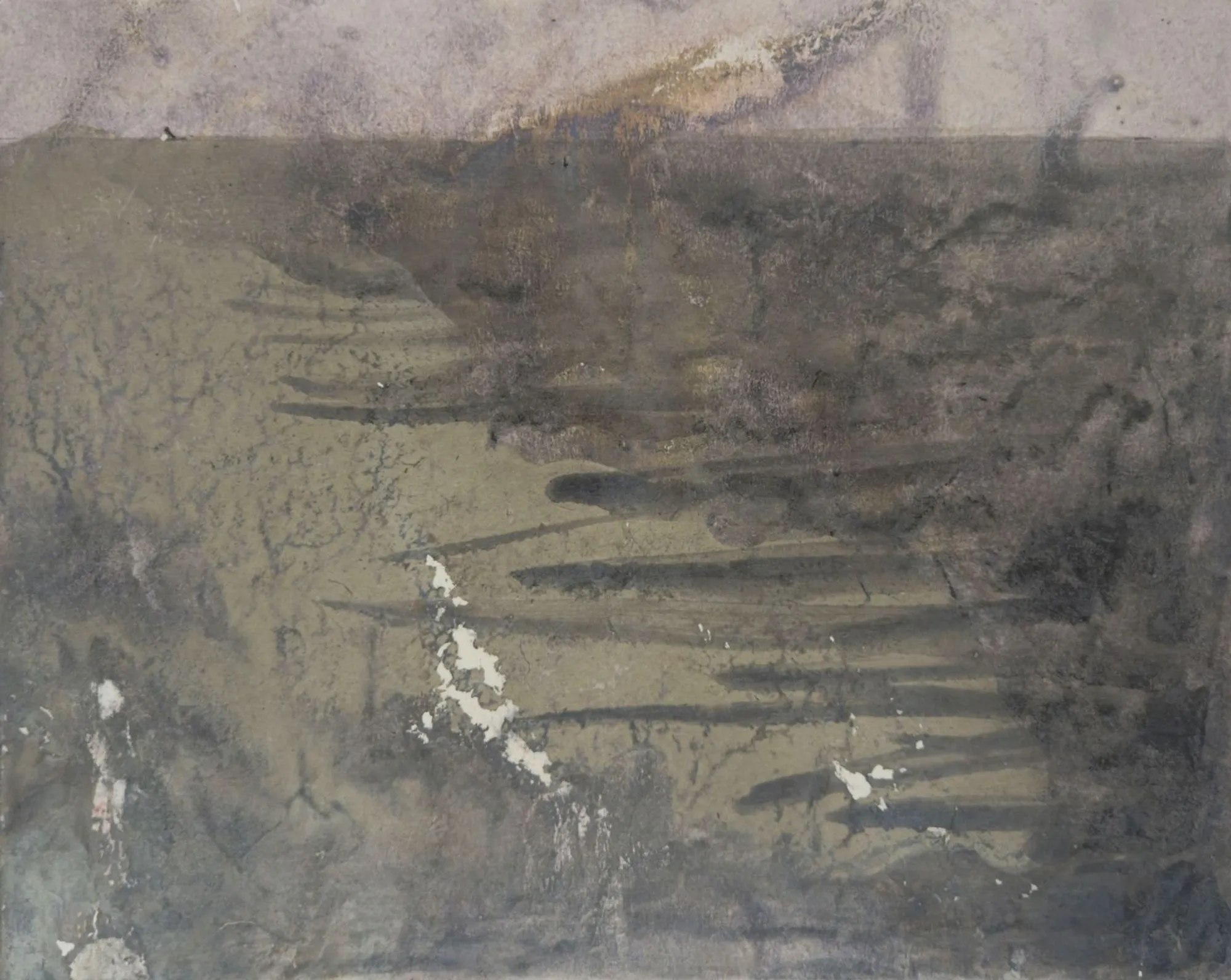
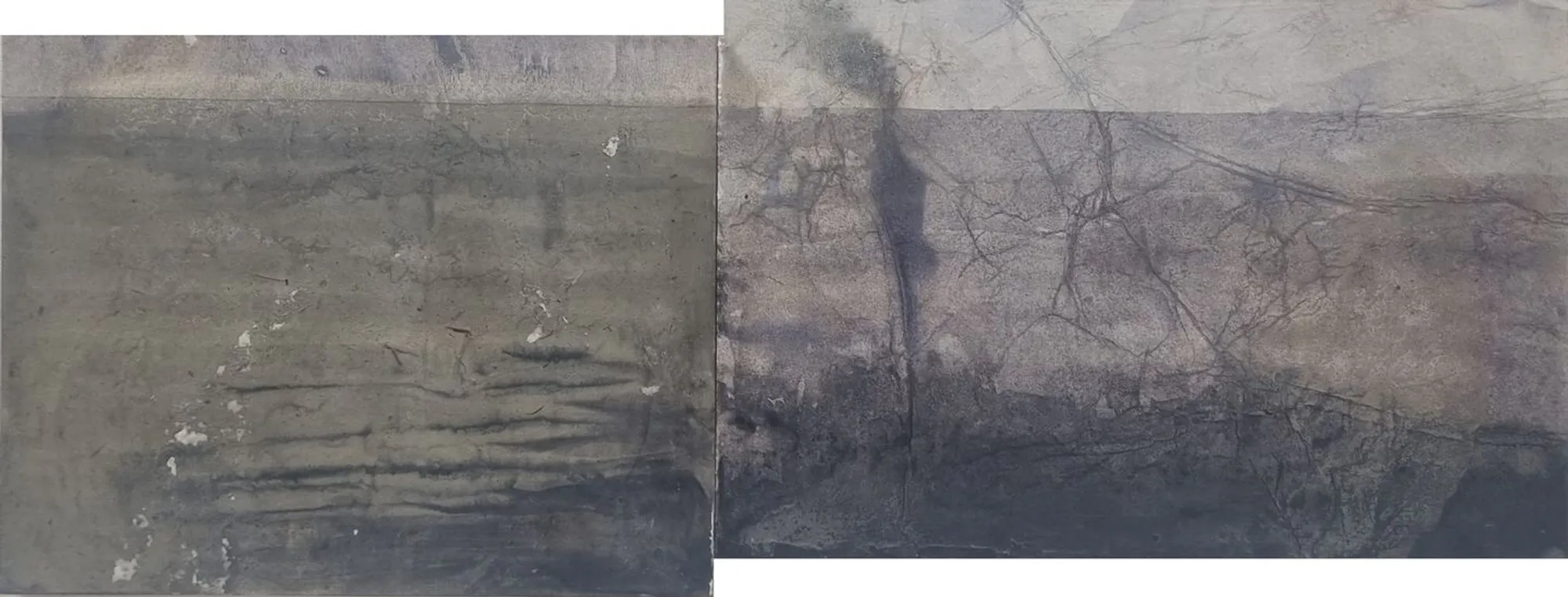
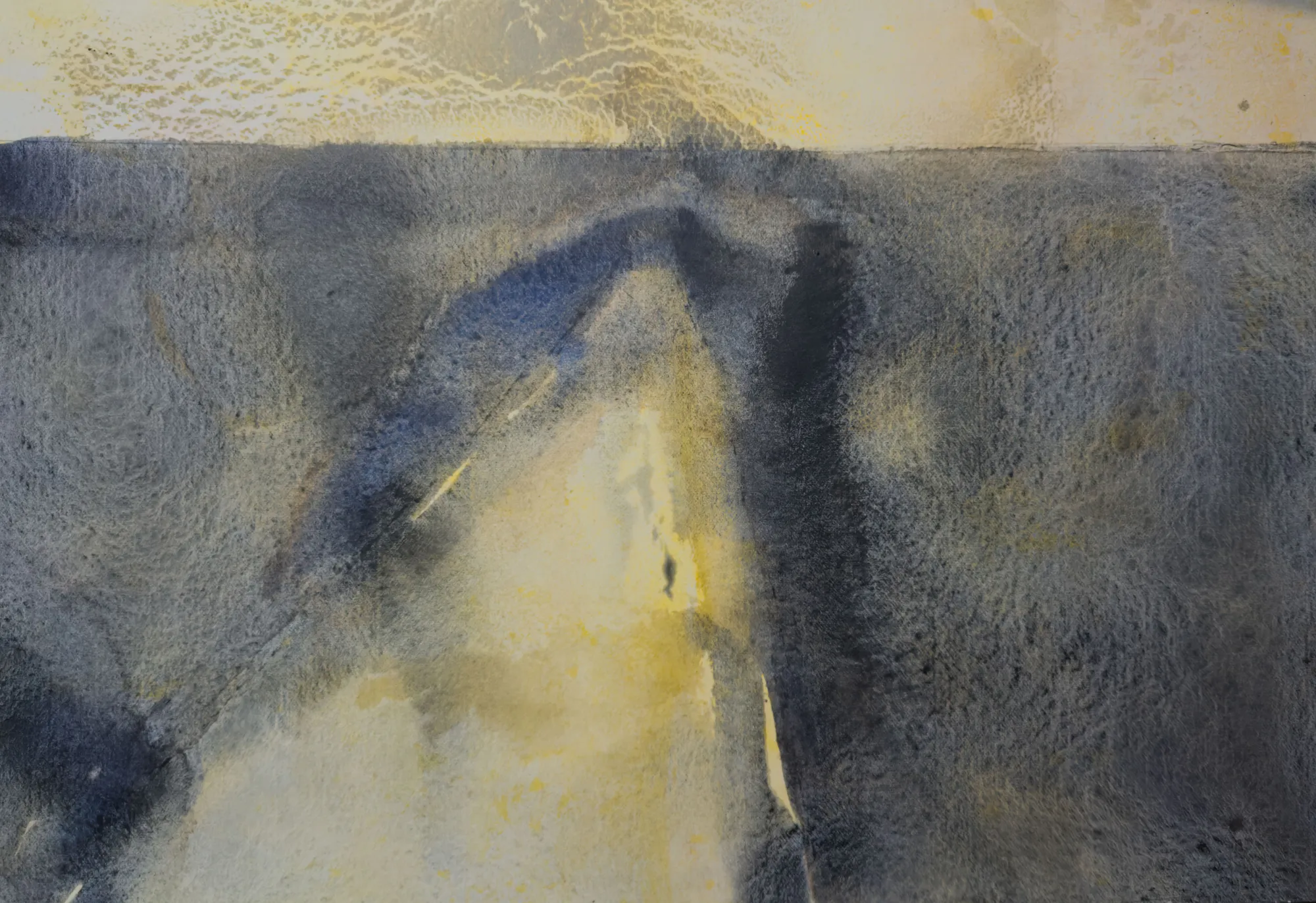
The Hauraki/Piako region, my childhood home, was once forest and swamp and is now extensively modified into farmland. My practice explores this transformed landscape through the combination of river mud and water, historical photographs, and the traditions of watercolour. These materials and processes allow me to question and unsettle the conventions and idealised representations that have shaped the Western landscape painting tradition.
Here, landscape painting becomes not simply a depiction of scenery, but a means of inquiry—revealing layered histories of land use, loss, transformation, and adaptation. I am interested in how belonging and responsibility might be expressed through the representation of a place that is both deeply familiar and profoundly altered.
I incorporate mud and water collected from the Piako River, materials affected by the agricultural environment through which the river now flows. These locally sourced elements physically locate the history of the land within each work, carrying traces of both natural processes and human intervention. Their instability and impermanence are integral to the practice. As the materials shift, stain, seep, and dry, environmental change and ecological vulnerability become materially present within the paintings.
The work is grounded in an awareness of the complex consequences of transforming land for economic and agricultural purposes. The conversion of wetlands has produced significant social and economic change, while also contributing to the loss of ecosystems, flora, and fauna. Over time, such transformations can become normalised and difficult to see. Forgetting can allow dominant narratives of progress and productivity to persist, while obscuring the histories and losses embedded within the landscape.
My practice sits within a personal tension. I seek to acknowledge the ecological consequences of colonisation and the transformation of the Hauraki Plains, while also recognising and honouring my family’s history and their search for a better life. These narratives cannot be separated. They are entangled within the same landscape, connecting memory, family, land, and the consequences of human intervention.
Through watercolour, found imagery, and materials gathered from the river, I seek to make these layers of relationship, memory, and history visible. The paintings become a space in which the familiar landscape can be reconsidered—not as an untouched or timeless place, but as a living environment carrying traces of what has been lost, what remains, and what continues to change.
The gathering and use of whenua and water from the Piako River initially caused me discomfort. Even in small quantities, the act risked echoing the extractive practices of settlers, including my own ancestors. Guidance from Ngāti Pāoa has helped me approach the use of these materials with greater care and awareness. I acknowledge with gratitude Arnold Gurau and Ngāti Pāoa for their guidance.